

Writing a comprehensive article on this requires bridging philosophy, linguistics, and theology. The fundamental question you’re asking (“Do we really name things correctly?”) is known in philosophy as the debate between Naturalism (names reflect the true nature of a thing) and Conventionalism (names are just arbitrary social agreements).
Here is a structured breakdown of both the historical/philosophical evolution and the deep, multi-layered Islamic perspective.
The Ancient and Historical Perspective
Historically, humanity has shifted from viewing names as literal extensions of a thing’s soul to viewing them as arbitrary tools for communication.
Prehistoric & Mythological EraAncient History
The “True Name” Concept: In ancient Egyptian, Mesopotamian, and early pagan traditions, a name wasn’t just a label; it was the essence of the thing itself. This gave rise to “sympathetic magic”: the belief that if you knew a god’s, a demon’s, or a person’s true secret name, you held absolute power over them. To name a thing incorrectly was to misunderstand its very soul.
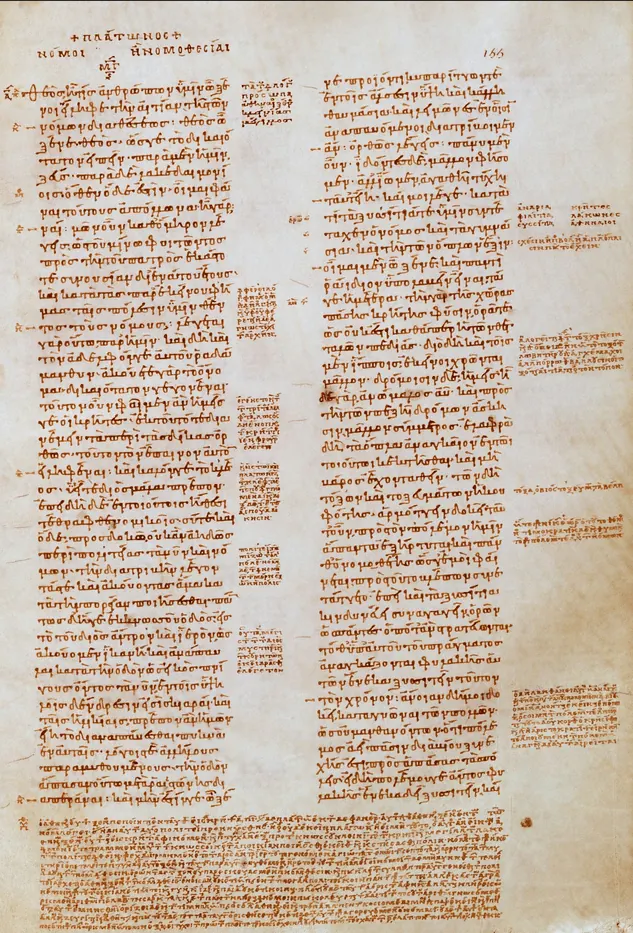
Classical Antiquity (Plato’s Cratylus)c. 360 BCE
Naturalism vs. Convention: Plato wrote the Cratylus, the foundational text on this subject. In it, Hermogenes argues that names are just social habits (Conventionalism), while Cratylus argues that words have an inherent, natural connection to the things they signify (Naturalism). Socrates moderates, suggesting that while names should perfectly describe the essence of a thing, language is flawed by human error over time.
The Middle Agesc. 1100-1400 CE
Realism vs. Nominalism: Medieval philosophers argued over “Universals.” If we name something a “chair,” does the concept of “chairness” actually exist in reality (Realism, argued by thinkers like Aquinas)? Or is “chair” just a convenient vocal breath we use to group similar objects together, while only individual objects truly exist (Nominalism, championed by William of Ockham)?
Modern Structuralism (Ferdinand de Saussure)1916 CE
The Arbitrary Signifier: The father of modern linguistics, Saussure, concluded that the connection between a word (the signifier) and the concept it represents (the signified) is entirely arbitrary. There is nothing inherently “tree-like” about the word tree; we only agree it means tree. From a modern secular perspective, we don’t name things “correctly” in a cosmic sense; we only name them “usefully.”
The Islamic Perspective
In Islam, naming is not merely conventional; it is profoundly spiritual, psychological, and foundational to human purpose. Islam bridges the gap between arbitrary labels and inherent nature by asserting that names carry spiritual weight and conceptual power.
1. The Quranic Foundation: The Vicegerency of Man
The deepest Islamic answer to naming comes from the story of creation in Surah Al-Baqarah (2<31>):
“And He taught Adam the names of all things; then He presented them to the angels and said, ‘Tell Me the names of these, if you are truthful.’”
- Conceptual Capacity: Classical scholars (like Ibn Abbas and modern exegetes like Maududi) explain that “teaching the names” means Allah gave humans the unique faculty of conceptual thinking, logic, and taxonomy.
- The Power of Knowledge: The angels knew only what they were directly programmed to know. Adam was given the ability to categorize, define, and understand the properties of the universe. We name things “correctly” when we use this divine gift of intellect to understand the reality of Allah’s creation. Naming is the very basis of human Khilafah (vicegerency) on Earth.
2. The Sunnah: The Psychology of Names
The Prophet Muhammad (ﷺ) deeply understood that names shape reality, self-perception, and behavior. He actively practiced changing names that had negative or arrogant meanings.
- Changing Bad Meanings: He changed the name of a person named ‘Aasiyah (Disobedient) to Jameelah (Beautiful). He also changed names like Harb (War) to Silm (Peace).
- Preventing Arrogance: The Prophet famously changed the name of his stepdaughter (and several of his wives) from Barrah (Pious/Righteous) to Zaynab. Why? Because calling someone “The Pious One” creates spiritual arrogance.
The Prophet’s Guidance“Do not commend yourselves. Allah knows best who amongst you are the righteous.”
The Core LessonFrom the Sunnah, we learn that we do not name things correctly if the name conflicts with human humility, imposes a negative psychological burden, or claims a purity only Allah can judge.
3. Fiqh (Jurisprudence) of Naming
Islamic law provides a structured framework for what constitutes a “correct” name, categorized by spiritual benefit and harm:
- Mustahabb (Highly Recommended): Names that express servitude to the Creator. The Prophet (ﷺ) said: “The most beloved of names to Allah are ‘Abdullah and ‘Abdur-Rahman.”
- Haram (Forbidden): Names that belong exclusively to Allah (e.g., Al-Khaliq - The Creator) unless preceded by ‘Abd (Servant of). The Prophet (ﷺ) explicitly stated that the worst name in the sight of Allah is a man calling himself “King of Kings,” because absolute sovereignty belongs to God alone.
- Makruh (Disliked): Names with depressing, ugly, or superstitious meanings (like Shihab meaning a burning flame, which the Prophet changed).
Conclusion: Naming as a Responsibility
To answer the premise: Do we name things correctly?
From an ancient and modern linguistic view, we just assign arbitrary noises to objects for convenience. But from an Islamic perspective, a name is a profound responsibility. When we name a child, an era, or a concept correctly, we are aligning human language with divine truth, spiritual humility, and the inherent nature of the thing being named.